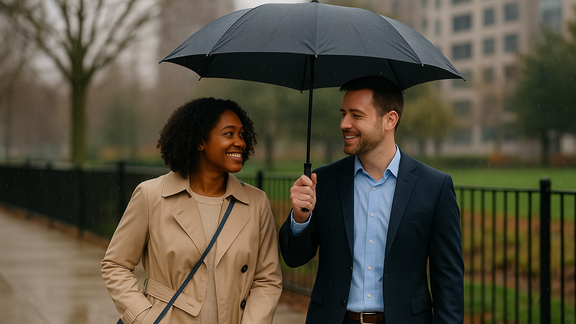
“Only the most astute and aware communicators notice micro-messages.”
— Steve Adubato, via Joyce Tucker
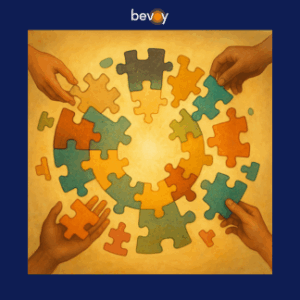
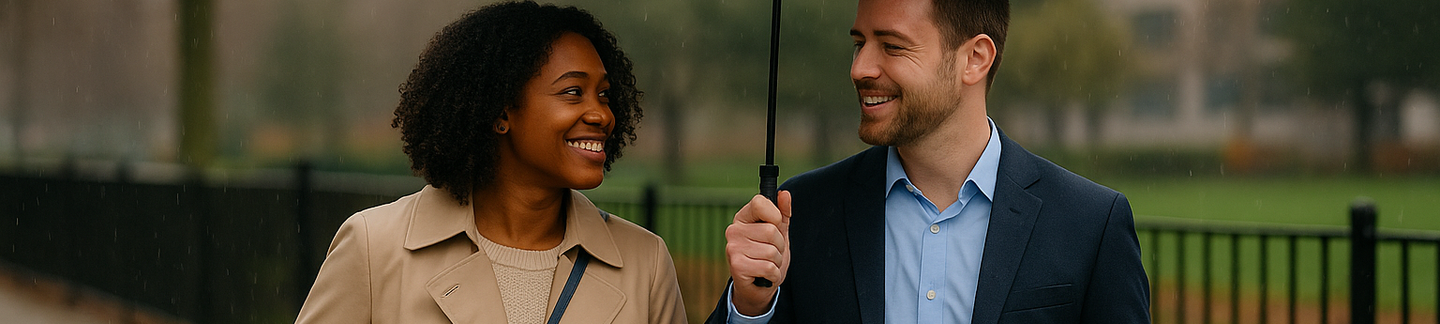
Small actions, micro-affirmations, make mark
Subtle gestures like noticing someone’s idea or calling attention to their work build belonging.
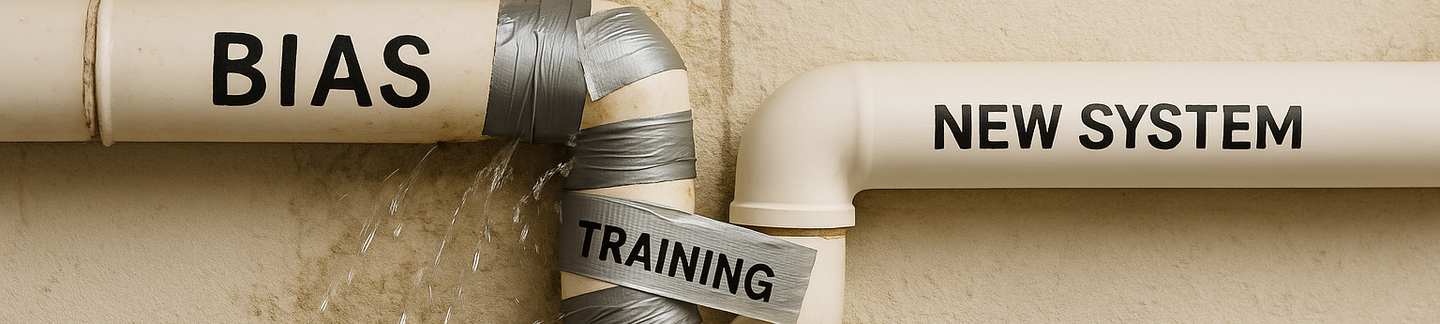
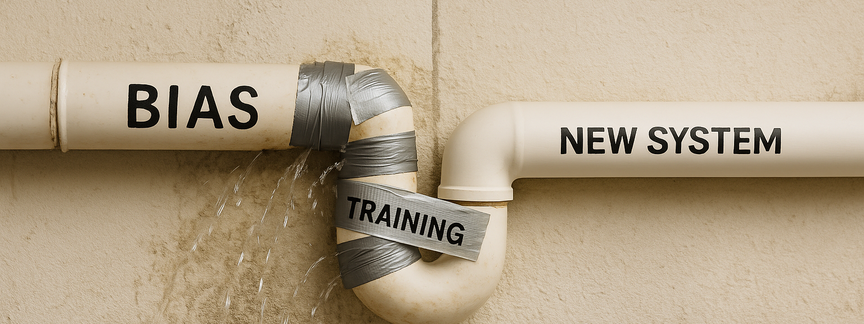
Interrupting bias requires more than training
Unconscious bias awareness is helpful but only part of the solution, it needs ongoing practice and environmental design.
Set clear, objective criteria consistently
Bias often creeps in when expectations aren’t explicit.
Transparent frameworks help fairness in evaluation and assignment.
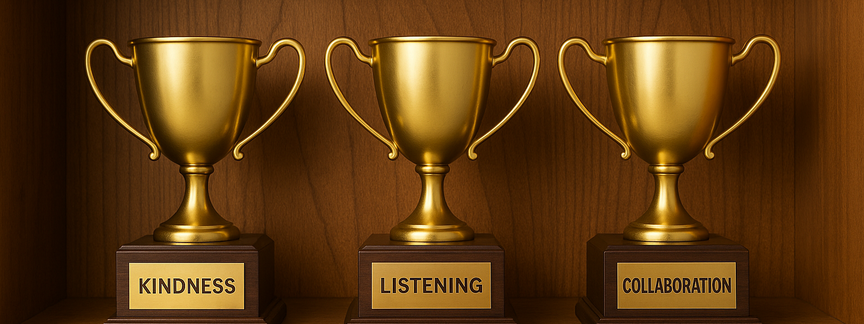
Rack up inclusive recognition
Call out not just wins, but also behaviors and values that strengthen inclusion.
Recognition reinforces belonging.
Allyship is an everyday practice
Inclusion isn’t passive.
It thrives when people step up for others, not just in big moments, but daily.
Feel free to share with your colleagues
Give feedback, ask questions or request new resources